One of the most common sources of confusion among Pakistani property owners is the difference between the various taxes that apply to owning, renting, and selling property. Most people use “property tax” as a catch-all term — but in Pakistan’s tax system three distinct taxes apply to property, and understanding which one applies to your situation determines exactly what you owe and to whom.
The direct answer: Property in Pakistan is subject to three separate tax obligations — Urban Immovable Property Tax paid to provincial authorities for owning property, Rental Income Tax paid to FBR on rent you collect, and Withholding Tax paid to FBR on property transactions when you buy or sell. Each has different rates, different payment channels, and different calculation methods.
This guide explains all three clearly so you know exactly what applies to your situation in 2026.
Tax 1 — Urban Immovable Property Tax (UIPT)
This is what most people mean when they say “property tax” in Pakistan. It is a provincial tax — administered by your provincial government, not FBR — levied annually on the ownership of urban property.
Who charges it: Your provincial government. In Punjab it is administered by Excise and Taxation. In Sindh by the Sindh Revenue Board. In KPK and Balochistan by their respective taxation departments.
Who pays it: The owner of the property, whether or not the property is rented out or occupied.
What it is based on: The Annual Rental Value (ARV) of the property as assessed by the provincial authority. This is not your actual rent — it is an officially assessed notional rental value that provincial authorities calculate based on property size, location, and type.
What the rate is: Rates vary by province but typically fall between 5% and 25% of the assessed ARV depending on property type and use. Residential properties generally pay lower rates than commercial ones.
Exemptions: Most provinces exempt residential properties below a certain ARV threshold. In Punjab, owner-occupied residential properties below a specified ARV are exempt. Bahria Town properties pay community maintenance charges that include their own internal property-related levies separate from provincial UIPT.
When to pay: UIPT is assessed and billed annually. Provincial excise offices issue demand notices. In many areas payment can be made online through provincial portals or at designated bank branches.
Tax 2 — Rental Income Tax (FBR)
This is the tax most landlords need to understand most carefully because it is the one with the most direct impact on monthly rental income and the one most often filed incorrectly or not filed at all.
Who charges it: Federal Board of Revenue under the Income Tax Ordinance 2001.
Who pays it: Anyone earning rental income from property in Pakistan — whether resident or overseas Pakistani, individual or company.
What it is based on: Your net annual rental income after the standard 20% repair allowance deduction.
Current 2025-26 tax slabs:
| Annual Net Rental Income | Tax |
| Up to PKR 300,000 | Exempt |
| PKR 300,001 – 600,000 | 5% of amount above PKR 300,000 |
| PKR 600,001 – 2,000,000 | PKR 15,000 + 10% above PKR 600,000 |
| PKR 2,000,001 – 4,000,000 | PKR 155,000 + 15% above PKR 2,000,000 |
| PKR 4,000,001 – 6,000,000 | PKR 455,000 + 20% above PKR 4,000,000 |
| Above PKR 6,000,000 | PKR 855,000 + 25% above PKR 6,000,000 |
When to pay: Declared and paid through your annual income tax return filed by September 30 each year covering the July 1 to June 30 tax year.
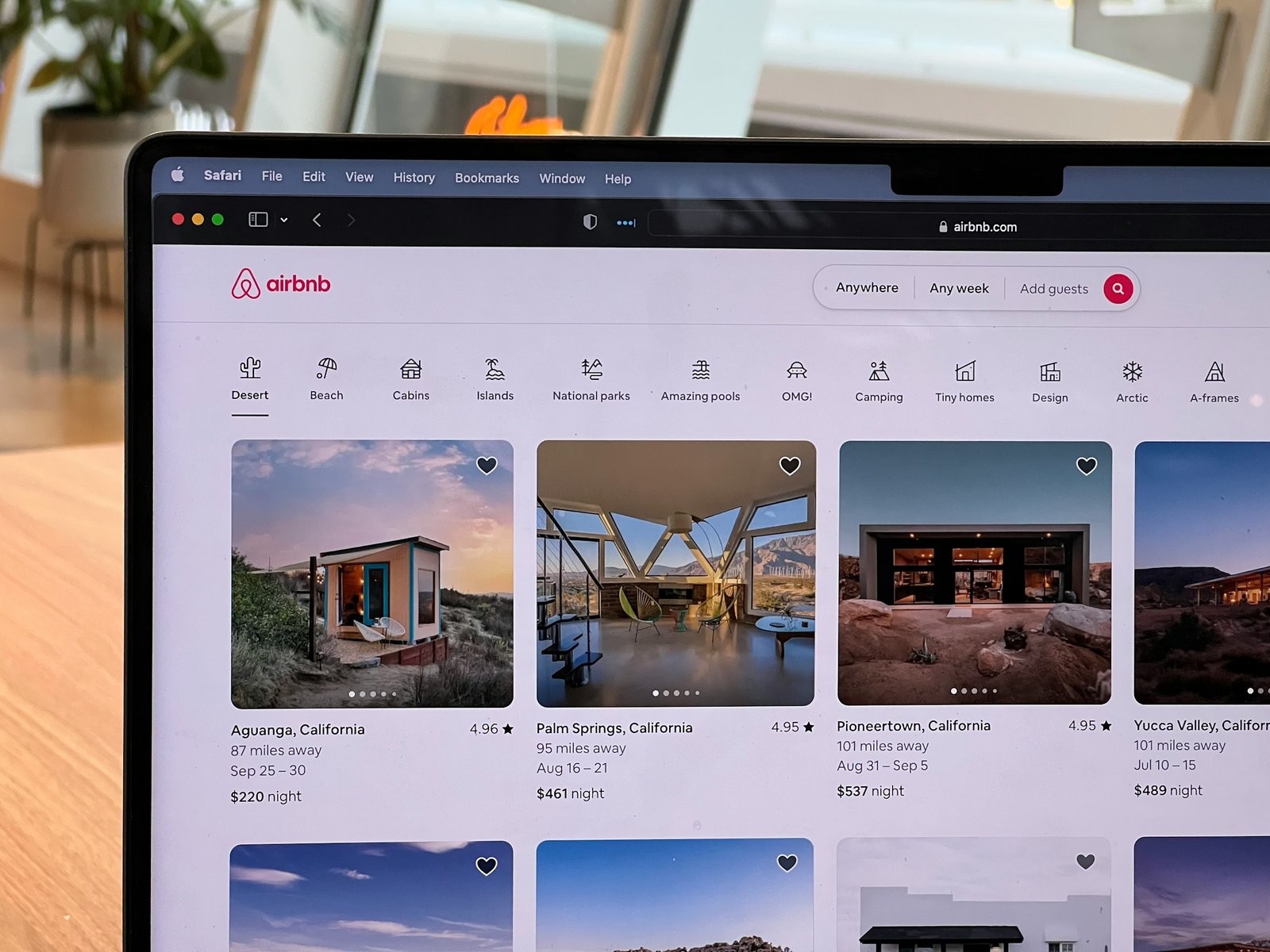
Important: Rental income from Airbnb and short-term rentals is taxed under exactly the same slabs. There is no separate category for short-term rental income.
Tax 3 — Withholding Tax on Property Transactions (FBR)
This tax applies when you buy or sell property — not when you own it or earn rent from it. It is collected at the point of transaction.
Who charges it: Federal Board of Revenue.
Who pays it: Both buyer and seller pay separate withholding taxes at the time of property transfer.
Budget 2026-27 update — rates just changed:
For buyers who are tax filers the withholding tax on property purchase was reduced from 2.5% to 1.25% in the June 2026 budget. For sellers the withholding tax on property sale was reduced from 5.5% to 2.75%.
Non-filers pay significantly higher rates — one of the strongest financial incentives the FBR has created for property owners to maintain their active filer status.
When it applies: At the time of property registration or transfer. The withholding tax is collected by the registering authority and deposited with FBR before the transfer is completed.
How the Three Taxes Work Together — A Practical Example
You own a 10 Marla house in Bahria Town Phase 4 that you rent out for PKR 150,000 per month.
Urban Immovable Property Tax: Paid annually to Punjab Excise and Taxation based on the assessed ARV of your property. Typically a few thousand rupees per year for a residential property at this size — exact amount depends on Punjab’s current assessment rates for your specific area.
Rental Income Tax: Your gross annual rent is PKR 1,800,000. Less the 20% standard deduction (PKR 360,000), your net taxable income is PKR 1,440,000. Tax owed = PKR 15,000 + 10% of (PKR 1,440,000 − PKR 600,000) = PKR 15,000 + PKR 84,000 = PKR 99,000 for the year. Filed and paid by September 30 through your FBR return.
Withholding Tax on Transaction: Only applies if you buy or sell the property this year. On a PKR 40 million property you would pay 1.25% as a filer buyer (PKR 500,000) or 2.75% as a filer seller (PKR 1,100,000) at the time of registration.
Common Mistakes Pakistani Property Owners Make
Confusing UIPT with rental income tax. These are entirely separate obligations paid to different authorities through different processes. Paying your provincial property tax does not satisfy your FBR rental income tax obligation and vice versa.
Not filing because income seems small. The FBR’s rental income slab exempts income up to PKR 300,000 annually — but you still need to be registered and file a nil return if your income falls below this. Not filing at all as a property owner creates accumulating compliance risk as FBR expands its property ownership database through NADRA linkages.
Calculating rental income tax on gross rent. The 20% standard deduction must be applied first. Paying tax on PKR 1,800,000 gross instead of PKR 1,440,000 net on the example above means overpaying by approximately PKR 36,000 in a single year.
Missing the September 30 filing deadline. A default surcharge applies on late payments and late filing creates a record of non-compliance that can complicate future property transactions.
Not maintaining active filer status before a property transaction. The difference in withholding tax rates between filers and non-filers on a PKR 40 million transaction is hundreds of thousands of rupees. The cost of filing for a year is negligible compared to this saving.
The Budget 2026-27 Changes That Affect Property Tax
Three specific budget announcements are directly relevant to property tax obligations in 2026-27.
Withholding tax on property purchase reduced from 2.5% to 1.25% for filers. If you are buying property in 2026-27 and are a registered tax filer this reduction saves you a meaningful amount at the transaction stage.
Withholding tax on property sale reduced from 5.5% to 2.75% for filers. If you are selling property the sale-side withholding tax has also been halved for filers. Combined with the buyer-side reduction both parties in a property transaction pay less tax at the point of transfer.
Capital Value Tax on foreign assets abolished. Overseas Pakistanis who hold assets abroad no longer face capital value tax on declaring those assets — removing one more barrier to formal asset declaration and repatriation.
T2R provides landlords with monthly financial reports that document all rental income accurately — making annual FBR filing straightforward and ensuring no legitimate deduction is missed. If you want your Islamabad or Rawalpindi property managed professionally with clear documentation contact T2R today.
📞 +92-327-5590760
📍 4th Floor, Bunyad Plaza, Bahria Town, Islamabad
🌐 time2rent.net
Clear records. Accurate filing. No surprises. That is T2R.
Reference Articles:
- Pakistan Budget 2026-27: Big Relief for Landlords & Rental Income Tax – What It Means for Islamabad Investors
- Pakistan Budget 2026-27 Property Tax Relief: Good News for Buyers, Sellers and Overseas Investors
- Pakistan Budget 2026-27: What Every Property Owner, Landlord and Tenant Needs to Know
- Airbnb Management Company in Islamabad
- Airbnb Management Company in Islamabad
- T2R – The Best Short Term Rental Company in Islamabad
- Houses for Rent in Bahria Town Islamabad: Find Your Perfect Home With T2R
- How to Manage a Rental Property in Pakistan: Complete Landlord Guide 2026
- House for Rent Near Me – How to Find Safe and Affordable Homes in Pakistan 2026
- Tax on Rental Income in Pakistan 2026: What Every Landlord Needs to Know