If you own a rental property in Pakistan, the FBR wants a share of what you earn. That is not new. But the rates, exemptions, and filing requirements for 2025 to 2026 have specific details that every landlord needs to understand clearly — because getting this wrong costs money.
This guide covers exactly what you owe, what you can deduct, and how to stay on the right side of Pakistan’s tax authorities without overpaying a single rupee.
Is Rental Income Taxable in Pakistan
Yes. Rental income in Pakistan is fully taxable under the Income Tax Ordinance 2001. Whether you rent out a house, an apartment, a commercial shop, or an Airbnb property — the income is subject to income tax and must be declared in your annual tax return.
This applies to both residents and non-resident Pakistanis who own property in Pakistan. Overseas Pakistanis earning rental income from Pakistani properties are not exempt simply because they live abroad.
Rental Income Tax Rates for 2025 to 2026
Pakistan taxes rental income on a slab basis. The more you earn the higher the rate applies to the portion above each threshold.
For the tax year 2025 to 2026 the rental income tax slabs are as follows.
Annual rental income up to PKR 300,000 is exempt from tax. You pay nothing on this amount.
300,001 to PKR 600,000 the tax rate is 5 percent on the amount exceeding PKR 300,000.
600,001 to PKR 2,000,000 the tax is PKR 15,000 plus 10 percent of the amount exceeding PKR 600,000.
2,000,001 to PKR 4,000,000 the tax is PKR 155,000 plus 15 percent of the amount exceeding PKR 2,000,000.
From PKR 4,000,001 to PKR 6,000,000 the tax is PKR 455,000 plus 20 percent of the amount exceeding PKR 4,000,000.
Above PKR 6,000,000 the tax is PKR 855,000 plus 25 percent of the amount exceeding PKR 6,000,000.
A practical example. If your property earns PKR 1,200,000 in annual rental income your tax calculation works like this. The first PKR 300,000 is exempt. From PKR 300,001 to PKR 600,000 you pay 5 percent which is PKR 15,000. From PKR 600,001 to PKR 1,200,000 you pay 10 percent on PKR 600,000 which is PKR 60,000. Total tax owed is PKR 75,000.
What Deductions Can Landlords Claim
This is where many Pakistani landlords lose money — not by paying tax they do not owe, but by failing to claim deductions they are legally entitled to.
Pakistan’s tax law allows landlords to deduct one fifth of their gross rental income as a standard repair and maintenance allowance regardless of whether they actually spent that amount. This is automatic and requires no receipts or documentation.
Beyond this standard deduction landlords can also deduct actual expenses that are directly related to earning the rental income. These include insurance premiums paid on the property, any ground rent or property tax paid to local authorities, and markup or interest paid on a loan taken to purchase or improve the rental property.
What you cannot deduct is personal expenses, capital improvement costs, or any expense not directly connected to generating the rental income.
The practical implication is that your taxable rental income is not your gross rent. It is your gross rent minus the standard 20 percent allowance and any other legitimate deductions. Always calculate your tax on the net figure not the gross.
Withholding Tax on Rental Income
If you rent your property to a company, a firm, or any other legal entity rather than an individual, the tenant is required by law to deduct withholding tax from your rent before paying you.
The withholding tax rate on commercial rentals paid by companies is currently 15 percent of the gross rent. This is deducted at source and deposited with the FBR by the tenant on your behalf.
This withholding tax is an advance against your final tax liability. When you file your annual return the withholding tax already deducted is credited against whatever you owe. If the withholding exceeds your final liability you can claim a refund.
If your tenant is an individual rather than a company no withholding applies and you are responsible for paying the full tax yourself when you file your annual return.
Airbnb and Short Term Rental Income: How Is It Taxed
This is a question that comes up constantly among Islamabad’s growing Airbnb host community and the answer is straightforward.
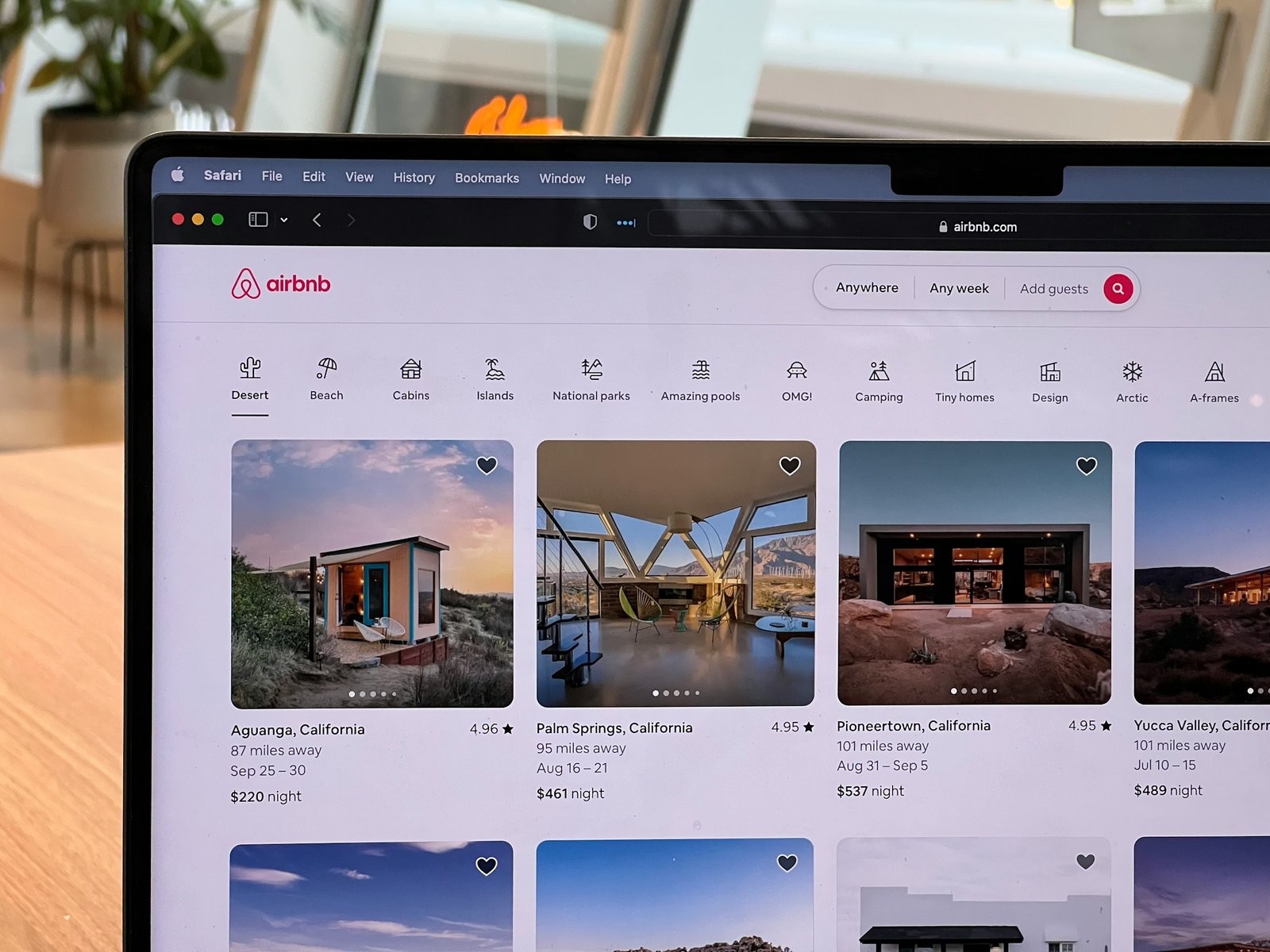
Airbnb and short term rental income is treated as rental income by the FBR and taxed under the same slabs described above. There is no separate tax category for short term rentals. Whether your property earns rent through a twelve month lease or through nightly Airbnb bookings the income is declared and taxed the same way.
Airbnb itself does not withhold Pakistani tax on your behalf. The platform pays you your earnings and you are entirely responsible for declaring them to the FBR in your annual return.
Given that a well managed Airbnb property in Bahria Town can generate PKR 150,000 to PKR 300,000 per month, annual short term rental income can fall into higher tax brackets quickly. Understanding your liability before you start and setting aside the appropriate amount monthly avoids an unpleasant surprise at filing time.
Do You Need to Register With the FBR
If you earn rental income in Pakistan you are legally required to be registered with the FBR as a taxpayer and to file an annual income tax return.
Registration is done through the FBR’s Iris online portal. The process requires your CNIC, a mobile number, and basic personal information. Once registered you receive a National Tax Number which you use for all future filing.
Many landlords in Pakistan — particularly those with a single property and modest rental income — are not registered and do not file. This is technically a legal non-compliance. The FBR has been progressively expanding its property rental tax net and increasing enforcement through third party data from NADRA, utility providers, and property registrations. The risk of remaining unregistered is increasing year on year.
Registering and filing correctly also qualifies you as a filer which significantly reduces withholding tax rates on your other financial transactions — bank profits, vehicle purchases, and property transactions — making the compliance cost worthwhile even purely from a financial self interest perspective.
Common Mistakes Landlords Make With Rental Tax
Calculating tax on gross rent rather than net income. Always apply your deductions first. Paying tax on gross rent rather than net taxable income is the most common and most expensive mistake Pakistani landlords make.
Not keeping records of rental income and expenses. Even if you are not asked to produce them immediately, maintaining clear records of what you earned and what you spent protects you if the FBR ever queries your return.
Assuming overseas Pakistani status provides an exemption. It does not. If the property is in Pakistan and it generates rental income, Pakistani tax applies regardless of where you live.
Not accounting for Airbnb income separately. Short term rental income fluctuates month to month. Keep monthly records of your Airbnb payouts so you have an accurate annual figure to declare rather than trying to reconstruct it at filing time.
Key Dates for Rental Income Tax Filing
The tax year in Pakistan runs from July 1 to June 30. Your annual income tax return covering rental income earned during this period is due by September 30 of the following year.
For the tax year running July 2025 to June 2026 the filing deadline is September 30, 2026. Missing this deadline results in a default surcharge and potentially a penalty notice from the FBR.
Filing early is always better than filing late. It gives you time to correct any errors, claim any refunds owed, and avoid the system congestion that always occurs close to the September deadline.
The Bottom Line for Landlords in 2026
Pakistan’s rental income tax system is not punishingly high for most individual landlords. The slab structure means that modest rental income is taxed at low rates and the standard deduction reduces your taxable base meaningfully.
What costs landlords money is not the tax itself but the combination of not claiming legitimate deductions, not filing on time, and not understanding what the rules actually say.
Getting this right takes a couple of hours of proper attention once per year. The cost of getting it wrong — penalties, surcharges, and the stress of an FBR notice — is far higher.
T2R manages rental properties across Islamabad and provides landlords with clear monthly income records that make annual tax filing straightforward. If you want your property managed professionally and your rental income properly documented, get in touch.
📞 +92-327-5590760
📍 4th Floor, Bunyad Plaza, Bahria Town, Islamabad
Earn well. File correctly. Manage with T2R.