Gulf investors are not strangers to Pakistan. Saudi Arabia, the UAE, Qatar, and Kuwait have collectively committed billions to Pakistani assets over the past two decades — through sovereign wealth funds, bilateral agreements, and private capital flowing through the diaspora.
But the investment has been inconsistent, concentrated in a narrow range of sectors, and rarely structured to generate the compounding returns that Pakistan’s fundamentals should theoretically support.
That is changing. GCC economic diversification agendas are pushing Gulf capital toward productive international deployment at a pace and scale not seen before. And Pakistan — for all its well-documented challenges — keeps appearing on the shortlist of destinations that Gulf investors cannot entirely ignore.
Here is an honest, sector-by-sector map of where that capital is most likely to land — and why.
Real Estate and Infrastructure
This is where Gulf capital has always felt most comfortable in Pakistan — and for understandable reasons. Property is tangible, dollar-inflation-resistant, and culturally familiar to Gulf investors who have built generational wealth through real estate in their home markets.
Residential development in Bahria Town, DHA, and emerging gated communities continues to attract Gulf-Pakistani investor capital — particularly from overseas Pakistanis whose Gulf earnings fund property purchases back home. This flow is not institutional, but it is enormous in aggregate, estimated at several billion dollars annually through formal and informal remittance channels.
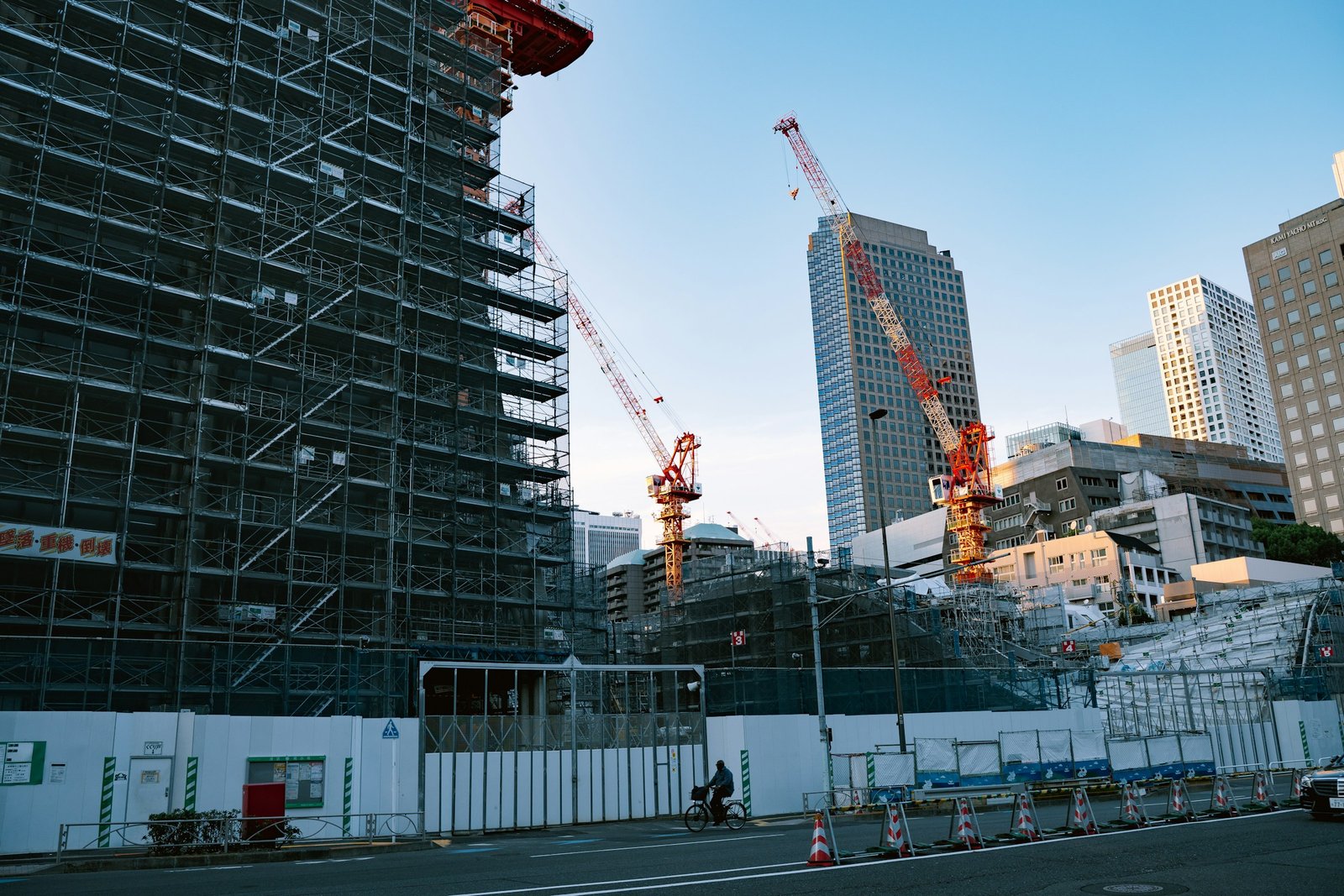
At the institutional level, large-scale mixed-use development projects — combining residential, commercial, and hospitality components in master-planned environments — are the format most likely to attract Gulf sovereign and semi-sovereign capital. The Ravi Riverfront Urban Development Project and similar large-format initiatives are precisely the vehicle Gulf development funds understand and have deployed capital into across Africa, Southeast Asia, and Central Asia.
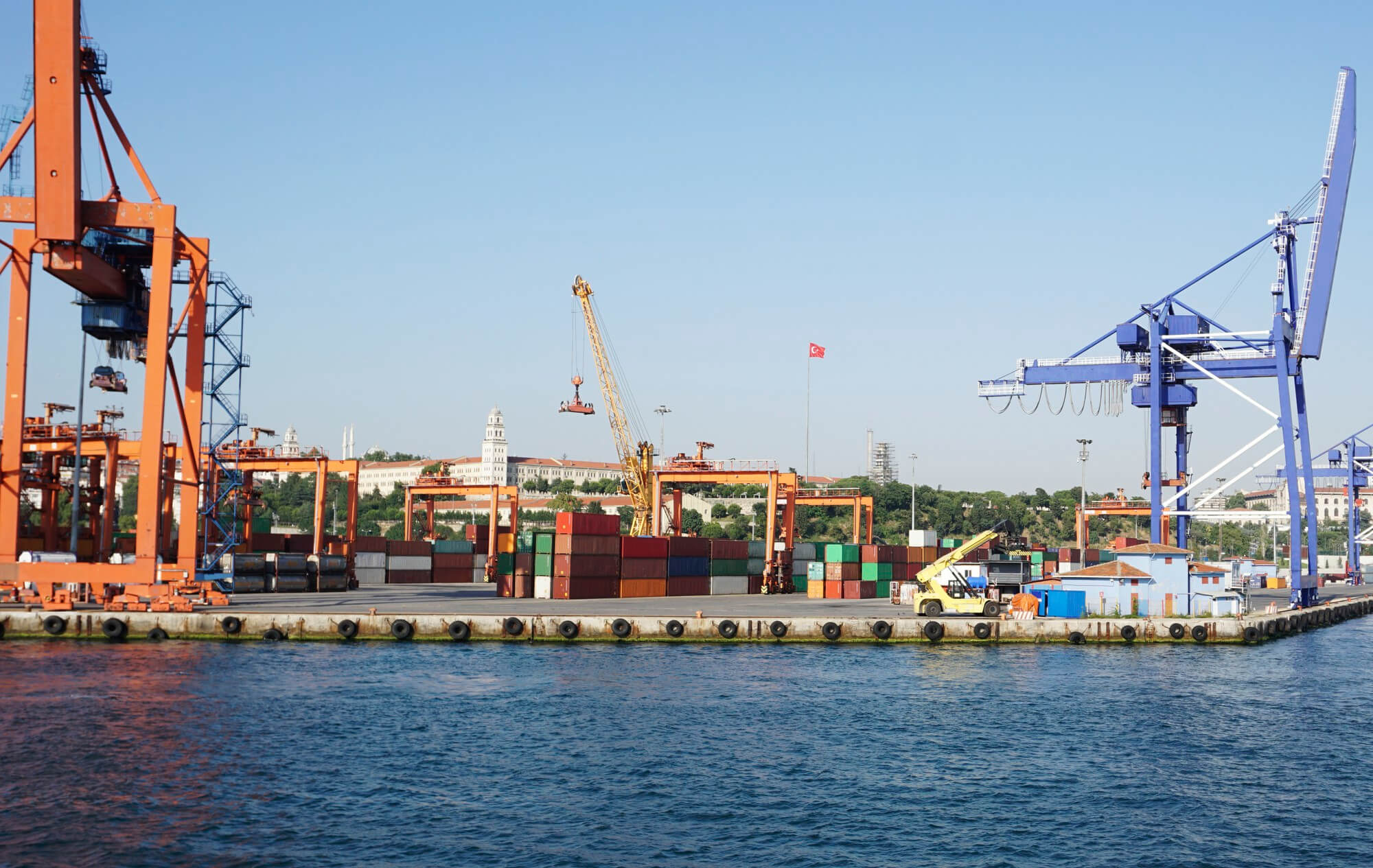
Logistics and industrial real estate is an emerging category. As CPEC infrastructure matures and Pakistan’s position as a transit economy develops, warehousing, cold storage, and industrial park real estate in Karachi, Islamabad, and Lahore becomes increasingly investable for Gulf logistics and industrial real estate funds.
Energy and Renewables
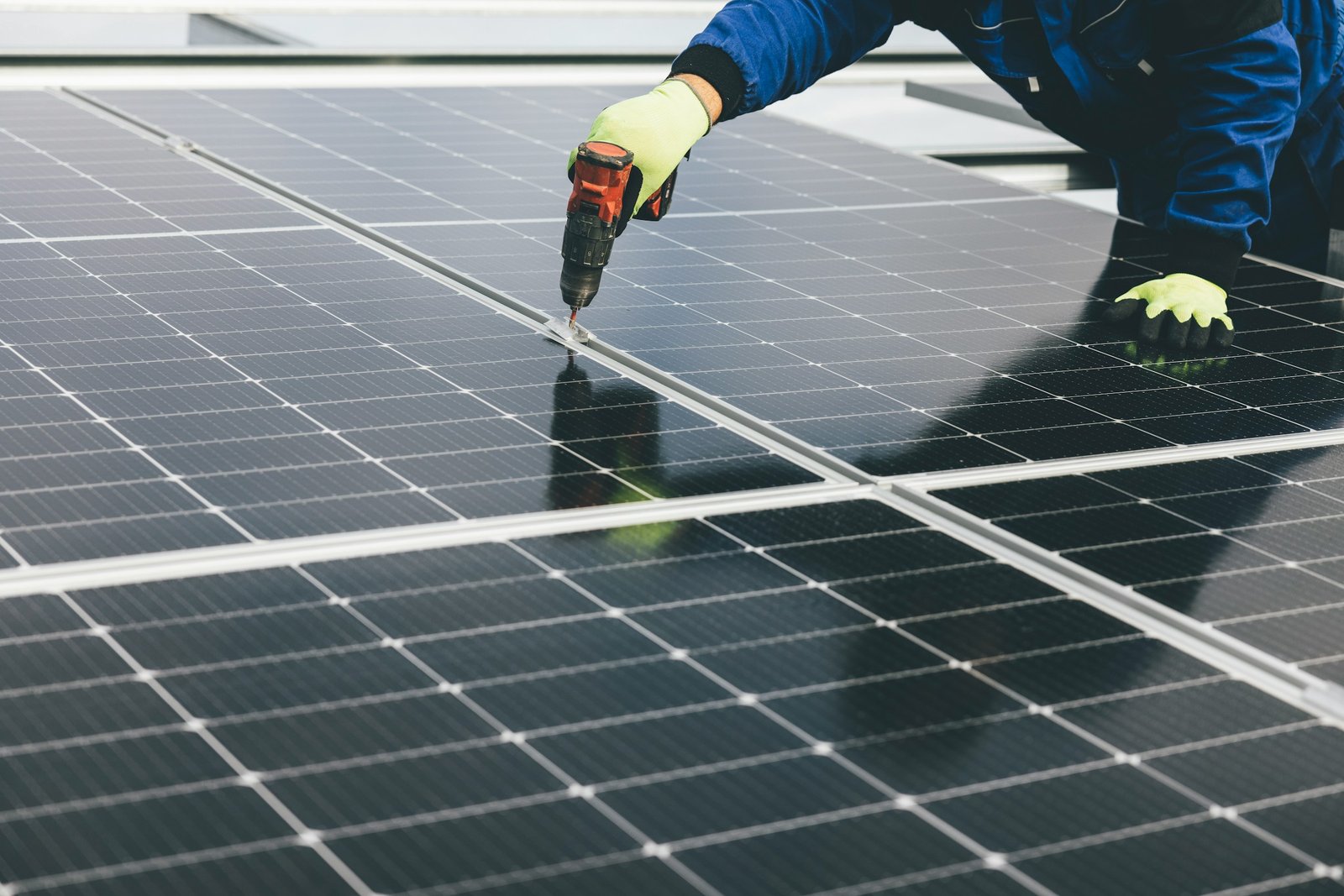
Pakistan has a chronic energy deficit and an abundance of renewable potential — solar irradiance across Sindh and Balochistan that rivals the Gulf’s own solar belt, significant wind resources in coastal Sindh, and hydropower capacity that remains substantially underdeveloped.
Gulf sovereign wealth funds and energy companies — particularly from Saudi Arabia and the UAE, which are themselves executing aggressive renewable energy transitions — are natural investors in Pakistan’s energy sector. ACWA Power’s existing presence in Pakistan’s power sector is the proof of concept. The question is scale.
The investment case for Gulf capital in Pakistani renewables is straightforward. Pakistan needs gigawatts of generation capacity. Gulf energy investors have capital, technology, and operational expertise in large-scale renewable deployment. The returns — through long-term power purchase agreements in dollar or dollar-linked terms — provide the currency stability that Gulf investors require.
The barrier has historically been a sovereign guarantee credibility. Pakistan’s track record of honoring energy sector payment obligations has been inconsistent. Resolving circular debt and establishing an escrow-backed payment mechanism for new renewable projects is the specific intervention that would unlock significant Gulf energy investment.
Agriculture and Food Security
This is arguably the most strategically aligned investment category between Gulf capital and Pakistani productive capacity — and it remains the most underdeveloped.
GCC nations import the majority of their food. Pakistan produces wheat, rice, cotton, fruits, vegetables, and livestock at significant scale. The geographic proximity, the established Pakistani agricultural diaspora in the Gulf, and the GCC’s post-COVID food security agenda create an investment alignment that is genuinely compelling.
Contract farming arrangements, agricultural processing facilities, and cold chain logistics connecting Pakistani agricultural production to Gulf food supply chains are the specific formats most likely to attract Gulf agribusiness investment. Saudi Arabia’s SALIC and Abu Dhabi’s investment arms have already explored Pakistani agricultural investment — the deals that have not closed reflect execution concerns rather than strategic misalignment.
Halal food processing deserves specific mention. Pakistan’s existing halal certification infrastructure, combined with Gulf market access and the global halal food market’s $2 trillion scale, makes Pakistan-based halal food manufacturing a natural Gulf investment target.
Financial Services and Islamic Finance
Pakistan’s Islamic banking sector is one of the world’s fastest growing — accounting for over 20 percent of domestic banking assets and expanding consistently. Gulf Islamic finance institutions — banks, takaful operators, and Shariah-compliant investment managers — are natural strategic investors in this space.
Equity stakes in Pakistani Islamic banks, takaful insurance companies, and Shariah-compliant asset management firms are the specific investment formats most aligned with Gulf financial institution strategy. These investments provide market access, fee income, and strategic positioning in a Muslim-majority market of 230 million people that Gulf financial institutions have historically underserved.
The Investment Readiness Gap
Every sector on this map has a version of the same problem. The investment thesis is sound. The strategic alignment between Gulf capital and Pakistani productive capacity is genuine. But the execution infrastructure — legal protections, regulatory clarity, payment mechanism credibility, and dispute resolution confidence — consistently falls short of what institutional Gulf capital requires to commit at scale.
The sectors that close the execution gap first will attract the capital first. Real estate and energy are closest to that threshold today. Agriculture, technology, and financial services are a institutional reform cycle behind.
Gulf capital is not waiting for Pakistan to become perfect. It is waiting for Pakistan to become predictable enough that the return justifies the risk. In the sectors described above, that threshold is closer than it has ever been.
The map is drawn. The capital exists. The next move belongs to Pakistan.