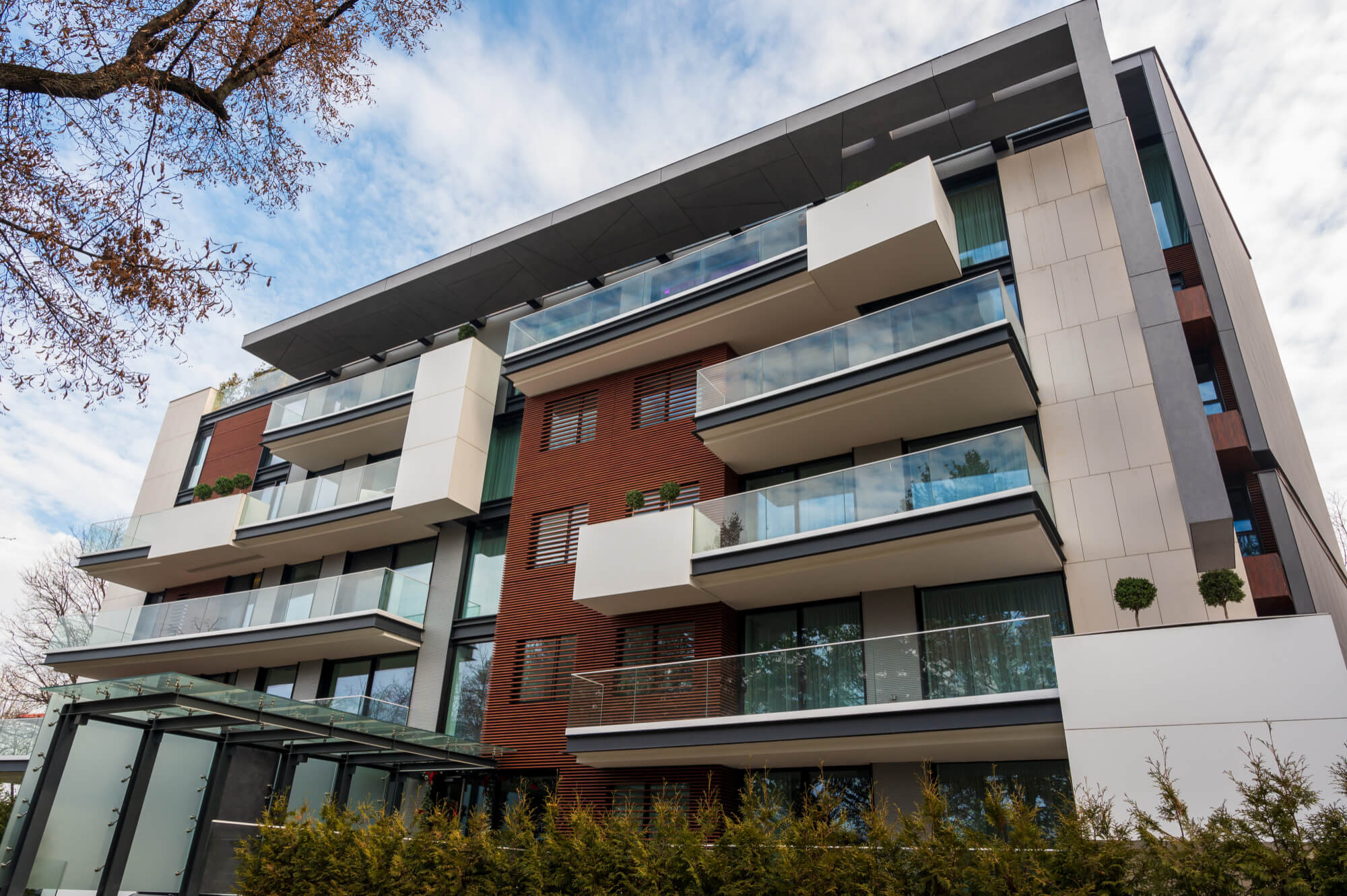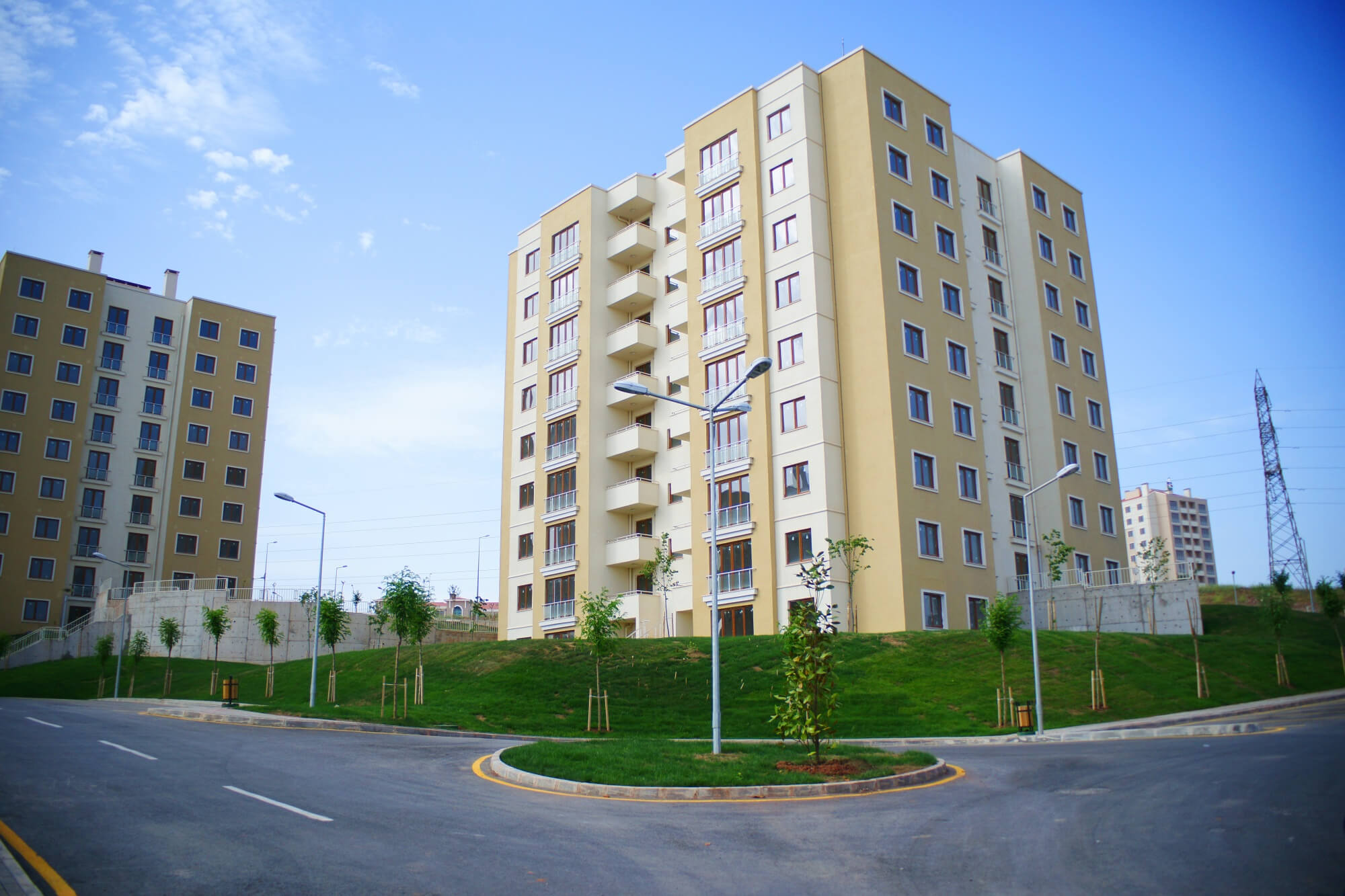
Rising geopolitical tensions in the Middle East have once again sparked debate about the impact of the Iran war on the Dubai property market. Whenever regional conflict escalates, global investors begin reassessing risk exposure — especially in high-value real estate hubs like Dubai.
But does conflict automatically mean falling property prices?
History suggests the answer is more complex.
Dubai has repeatedly demonstrated resilience during regional and global crises, including financial downturns and pandemic disruptions. Understanding the short-term and long-term effects of geopolitical instability is essential for smart investors.
Short-Term Impact on Dubai Real Estate
1. Investor Caution & Delayed Decisions
During periods of uncertainty, buyers often adopt a “wait-and-watch” approach. Off-plan transactions may slow temporarily as investors evaluate regional risks.
However, this hesitation is typically sentiment-driven rather than based on fundamental market weakness.
2. Pressure on Mid-Segment Properties
Properties in the mid-market range may experience stronger negotiation activity. Buyers could demand discounts or flexible payment plans.
Developers may respond with:
- Extended payment plans
- Reduced booking amounts
- Additional incentives
This does not necessarily indicate a market crash — but rather short-term price adjustments.
3. Tourism & Short-Term Rental Fluctuations
Dubai’s holiday rental sector may experience temporary occupancy shifts if travel confidence weakens.
Areas such as:
- Dubai Marina
- Downtown Dubai
- Palm Jumeirah
may see minor fluctuations, but Dubai’s reputation as a safe global destination typically supports a quick recovery.
Long-Term Outlook – Why Dubai Remains Strong
Despite short-term volatility, several structural strengths protect Dubai’s property market.
Strong Economic Diversification
Dubai’s economy is driven by:
- Tourism
- Logistics
- Finance
- Technology
- Trade
It is no longer oil-dependent, reducing vulnerability to regional instability.
High Rental Yields
Investors continue to achieve rental returns between 6% and 8%, which remain higher than many global cities.
Tax-Free Environment
Zero property tax, zero capital gains tax, and residency-linked investment programs continue to attract global capital.
Safe-Haven Effect
Interestingly, regional instability sometimes increases investment in Dubai rather than decreasing it.
During geopolitical tension:
- Capital often moves from unstable regions
- Wealthy investors seek secure jurisdictions
- Dubai benefits as a financial safe zone
This “flight to safety” effect has supported Dubai’s luxury real estate market in past crises.
Impact on Pakistani & NRI Investors
Pakistani and Indian investors form a significant portion of Dubai’s buyer base.
If conflict persists:
- Some investors may delay purchases
- A small capital shift toward India or other markets is possible
However, large-scale withdrawal is unlikely due to:
- Currency advantages
- Tax benefits
- Lifestyle appeal
- Strong infrastructure
Dubai continues to offer a full investment ecosystem that few regional cities can match.
Market Predictions for 2026
Analysts suggest the Iran war’s impact on the Dubai property market will likely remain:
✔ Short-term and sentiment-driven
✔ Limited to transaction slowdowns
✔ More visible in mid-market segments
✔ Minimal impact on long-term fundamentals
Unless instability directly affects UAE infrastructure — which remains highly secure — the structural outlook for 2026 remains positive.
Final Verdict: Should Investors Be Worried?
Geopolitical tension creates headlines — but long-term real estate trends are driven by:
- Economic fundamentals
- Population growth
- Global capital movement
- Government policy
Dubai continues to show:
- Strong demand
- International investor confidence
- Stable governance
- Attractive returns
For long-term investors, temporary uncertainty can even create better entry opportunities.
Conclusion
The Iran war’s impact on the Dubai property market is expected to remain temporary rather than structural. While transaction volumes may slow in the short term, Dubai’s fundamentals — high rental yields, tax advantages, and global demand — continue to support long-term growth.
Smart investors focus on long-term value, not short-term headlines.